- About
-
Solutions
-
Services
-
Biosciences
- PureDisc™ Enabled Membrane Protein Production
- Assay Development and Transfer
- Biochemistry / Enzymology
- Biomarker Services
- Biophysics
- Cell-Based Assays
- Compound screening and cascade design
- Cryo-EM
- Fibrosis Assays
- Project Management and Consultancy Services
- Protein Expression
- Structural Biology
- X-ray Crystallography
- Chemistry
- Integrated Drug Discovery
- Computer Aided Drug Design
- Hit ID and Screening Services
- DMPK Services
-
Biosciences
- Target Classes and Modalities
- Therapeutic Areas
-
A-Z
- A
- B
- C
- D
- E
- F
- G
- H
- I
- K
- L
- M
- N
- O
- P
- R
- S
- T
- V
- X
-
Services
- Library
- News & Events
- Careers

Translational CNS Cell Biology
deep expertise • flexible solutions • close collaboration • rapid delivery
Human iPSC-Derived and Primary CNS Cell Models for Target Validation, Mechanistic Studies and Compound Profiling
Domainex provides CNS cellular assay services that generate high-quality mechanistic data to accelerate neuroscience drug discovery programmes. Using human iPSC-derived neurons, astrocytes and microglia, alongside primary CNS cell cultures where appropriate, we help clients investigate target biology, evaluate compound activity, understand mechanism of action and generate translational insights in disease-relevant cellular systems.
Our expertise spans neuroinflammation, neurodegeneration, neuronal function and cell-cell interactions, supporting programmes across Alzheimer's disease, Parkinson's disease, ALS, multiple sclerosis and other CNS disorders. Assays can be configured for hypothesis testing, target validation, lead optimisation and candidate selection, providing robust, reproducible data to support confident decision-making.
Domainex scientists work as an integrated extension of client discovery teams, collaborating closely on assay design, model selection and data interpretation to ensure every study is tailored to specific programme objectives.
Our CNS cellular assay capabilities enable you to:
- Understand target biology in disease-relevant neural systems
- Evaluate compound potency, selectivity and mechanism of action
- Investigate neuroinflammatory and neurodegenerative processes
- Generate translational insights using human-derived cellular models
- Support decision-making from target validation through candidate selection
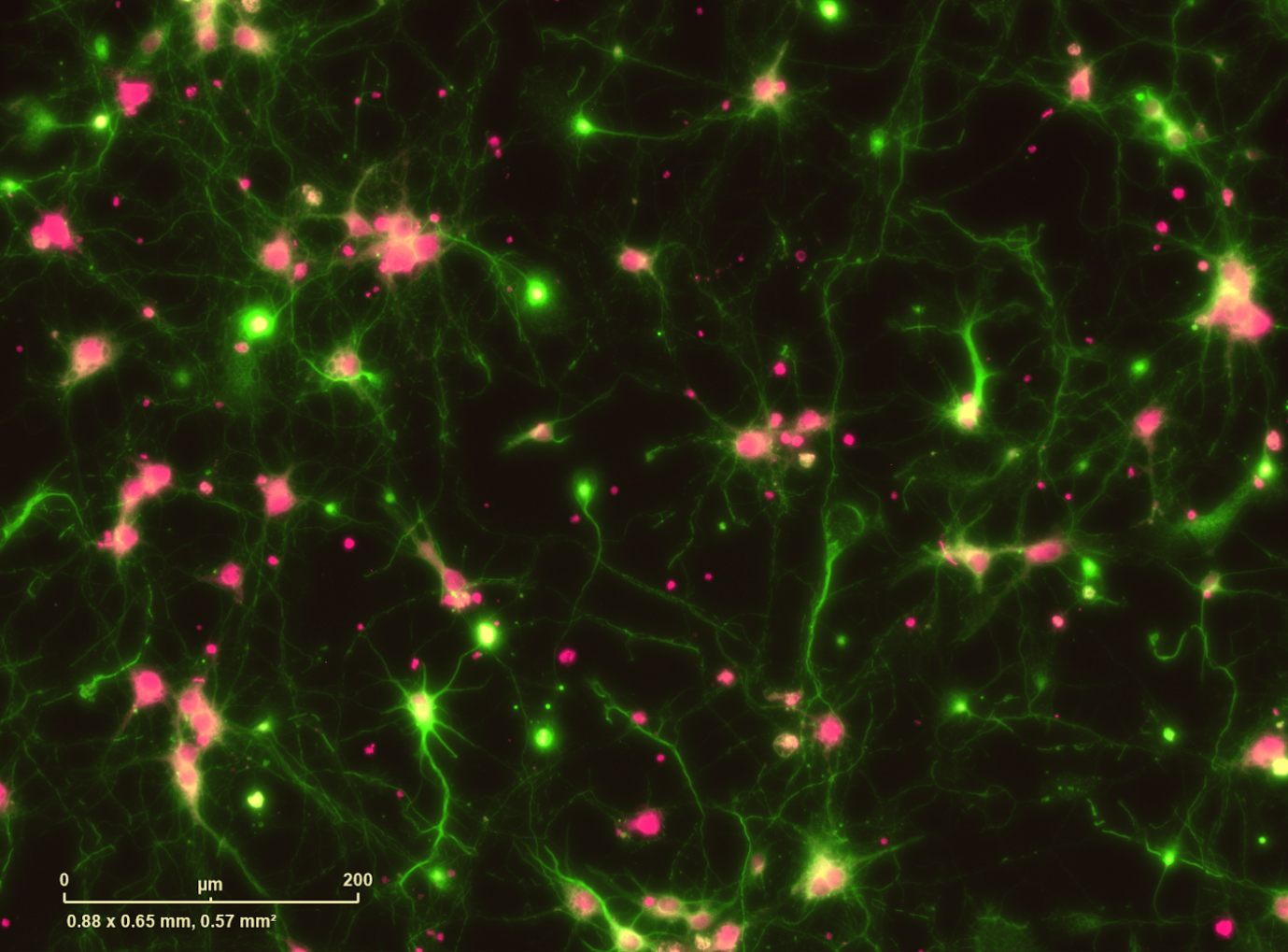
Figure 1. Beta 3 tubulin staining of neuronal cytoskeleton and NeuN staining of nuclei in rat cortical neurons
CNS Cellular Assay Capabilities
Domainex offers a comprehensive range of CNS cellular assays to support target validation, mechanistic investigation and compound profiling. We have extensive experience working with human iPSC-derived glutamatergic, GABAergic and dopaminergic neurons, astrocytes and microglia, as well as primary CNS cell cultures and 3D models.
Our assays are optimised for robustness, reproducibility and quantitative pharmacological analysis, with endpoints ranging from biochemical and molecular readouts to high-content imaging and calcium kinetics.
1. Neuroinflammation & Glial Cell Function
Domainex has extensive experience developing and running cellular assays to interrogate innate immune signalling and glial biology in the CNS. Examples of assays we offer:
- Microglial activation and phagocytosis assays using physiologically relevant stimuli
- Cytokine and chemokine release measurements e.g. TNFα, IL-1β, IL-6
- Chemotaxis and migration assays to assess immune cell recruitment
- Inflammasome activation assays, including NLRP3 associated readouts
- Phagocytosis assays to quantify uptake and clearance pathways
- Co-culture systems to capture cell-cell interactions
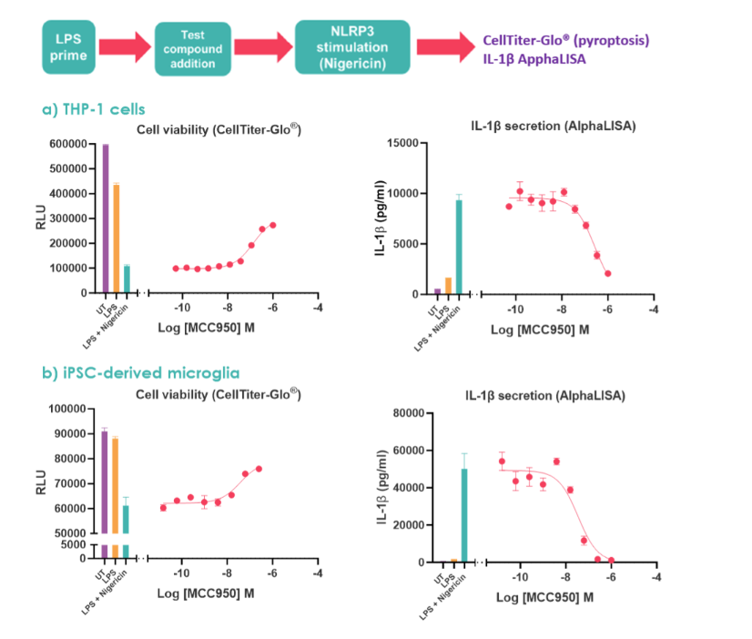
Figure 2. Neurotensin-induced phagocytosis of iPSC-derived Microglia. A clear concentration dependent increase in neurotensin-induced phagocytosis was seen at 21 hours.
2. Neurodegeneration and Proteinopathy Assays
Domainex supports the investigation of neurodegenerative disease mechanisms through cellular assays designed to assess protein aggregation, neuronal health and cellular stress pathways associated with CNS disorders. Examples include:
- Tau expression, phosphorylation, aggregation and clearance assays
- α-Synuclein expression, aggregation and toxicity assays relevant to Parkinson's disease and related synucleinopathies
- Neuronal viability and degeneration assays
- Lysosomal function and protein clearance pathway analysis
- Autophagy and protein homeostasis readouts
- Cellular stress and apoptosis markers
- High-content imaging approaches to characterise disease-associated phenotypes
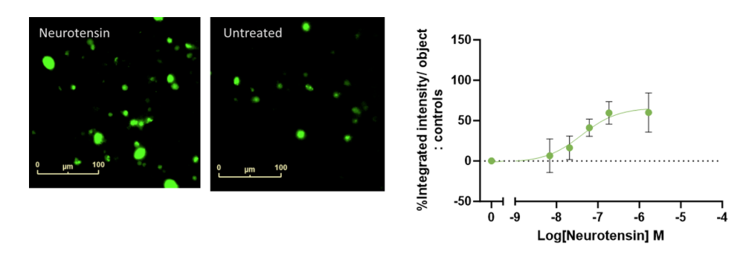
Figure 3. Neurotensin-induced phagocytosis of iPSC-derived Microglia. A clear concentration dependent increase in neurotensin-induced phagocytosis was seen at 21 hours.
3. Neuronal Morphology, Development & Connectivity
We provide cellular assays to quantify neuronal structure and health, supporting studies of development, plasticity and function. These assays include:
- Neurite outgrowth and branching analysis
- Dendritogenesis assays
- Neuronal survival and maturation measurements
- Neuronal imaging with morphological analysis
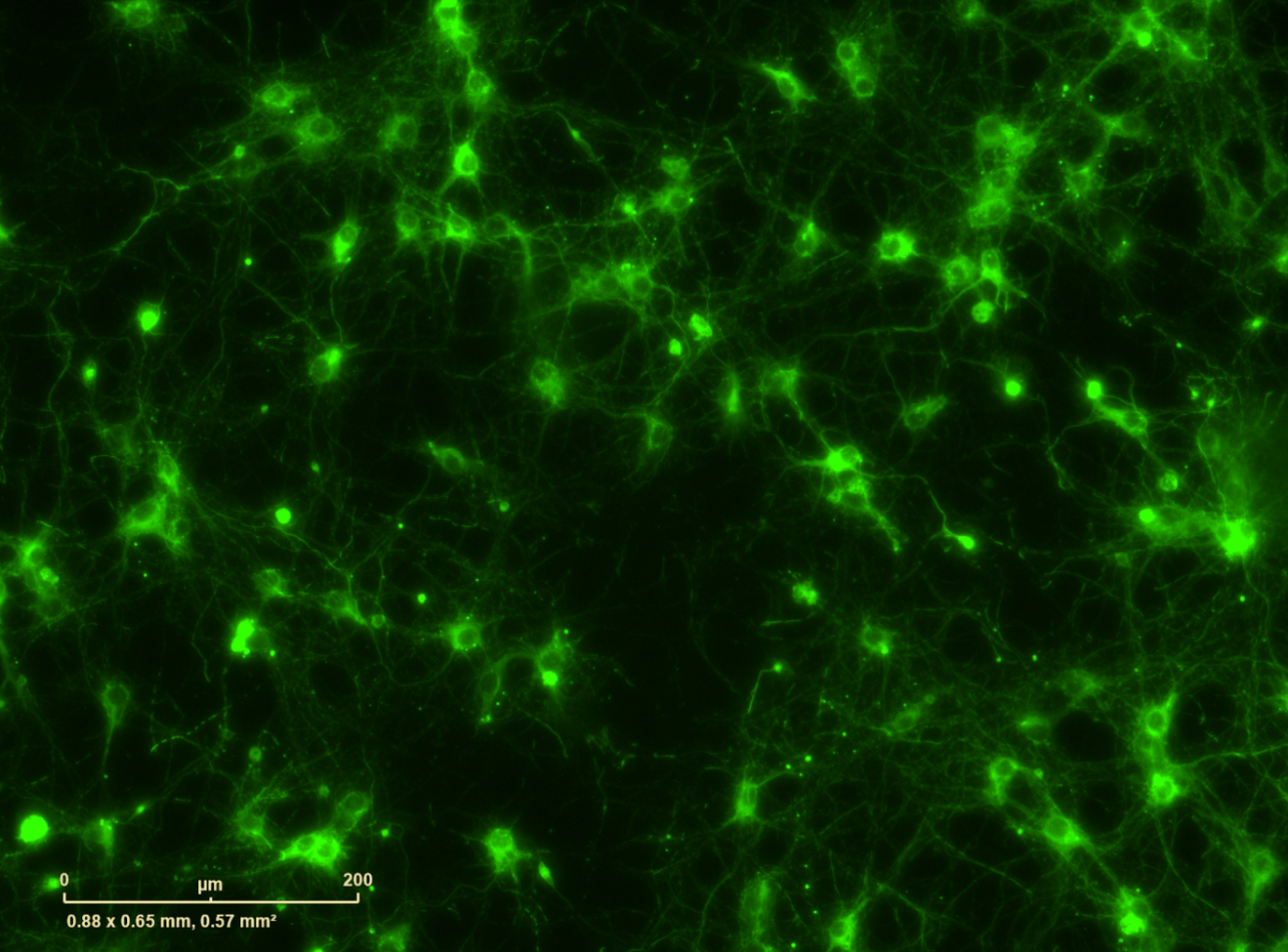
Figure 4. Beta 3 tubulin staining of neuronal cytoskeleton in rat cortical neurons.
Why Choose Domainex for CNS Drug Discovery?
Whether you are validating a novel CNS target, profiling compounds against disease-relevant cellular models, or seeking translational neuroscience expertise, Domainex combines deep scientific knowledge with flexible drug discovery support.
Every CNS project benefits from:
- Experienced neurobiologists and assay development specialists with expertise across neuronal biology, neuroinflammation and pharmacology
- Proven experience supporting GPCR, kinase, ion channel and novel target programmes, including recent collaborations with NRG Therapeutics and Parkinson's UK
- Human iPSC-derived cellular models and translational assay systems
- Robust assay development and rigorous quality control standards
- Collaborative experimental design, transparent communication and data interpretation
- Flexible engagement models ranging from standalone assays to integrated discovery programmes
- Seamless integration with Domainex capabilities in medicinal chemistry, structural biology, biophysics and biomarkers
Frequently Asked Questions
What CNS cell types can Domainex work with?
Domainex has extensive experience using human iPSC-derived CNS cell models, including glutamatergic, GABAergic and dopaminergic neurons, astrocytes and microglia. We also utilise primary CNS cell cultures when appropriate to address specific scientific questions and programme requirements.
What types of CNS drug discovery programmes do you support?
Domainex's selection of CNS cellular assays can support programmes across neuroinflammation, neurodegeneration, neuronal function and cell-cell interaction biology. We have experience supporting research in Alzheimer's disease, Parkinson's disease, ALS, multiple sclerosis and other CNS disorders. Assays can be applied from target validation through lead optimisation and candidate selection.
Can Domainex develop bespoke assays for novel targets?
Yes. Domainex scientists work closely with clients to design studies tailored to specific biological hypotheses, targets and programme objectives. Our scientists act as an extension of your discovery team, helping to select the most appropriate cellular models, assay formats and endpoints.
What neuroinflammation assays do you offer?
Domainex provides a broad range of neuroinflammation-focused assays, including microglial activation and phagocytosis assays, cytokine and chemokine release measurements, chemotaxis and migration assays, inflammasome activation assays, and co-culture systems that model CNS cell–cell interactions.
Does Domainex support neurodegeneration research?
Absolutely. Domainex offers assays to investigate key neurodegenerative mechanisms, including tau and α-synuclein biology, neuronal viability and degeneration, lysosomal function, autophagy, protein clearance pathways, apoptosis and disease-relevant phenotypic changes using high-content imaging approaches.
Can you assess neuronal morphology and connectivity?
Yes. Domainex capabilities include neurite outgrowth and branching analysis, dendritogenesis assays, neuronal survival and maturation studies, and high-content imaging-based morphological assessments. These approaches can help evaluate neuronal development, plasticity and regeneration.
What assay readouts and technologies are available at Domainex?
Domainex employs a wide range of readouts, from biochemical and molecular assays to high-content imaging and phenotypic profiling. Depending on project needs, studies can incorporate technologies such as flow cytometry, live-cell imaging, multiplex cytokine analysis and quantitative pharmacology workflows.
Can CNS cellular assays be integrated with other Domainex services?
Yes. One of the advantages of working with Domainex is the ability to combine disease-relevant CNS cellular models with complementary drug discovery expertise across multiple disciplines. We can integrate cellular pharmacology data with:
- GPCR Pharmacology Services for target validation, functional profiling, mechanism-of-action studies and compound characterisation against CNS-relevant GPCR targets
- Ion Channel Assays to evaluate compounds targeting neuronal excitability and synaptic signalling
- Kinase Assays for investigation of signalling pathways implicated in neurodegeneration and neuroinflammation
- Medicinal Chemistry to support hit identification, hit-to-lead and lead optimisation programmes
- Biophysics Services for target engagement and mechanistic investigation
- Structural Biology to enable structure-guided drug design
- Biomarker Discovery and Development to establish translational endpoints and support decision-making
This integrated approach enables the generation of connected biological, pharmacological and mechanistic data sets, helping to accelerate progression from target validation to candidate selection.
How do you ensure assay robustness and reproducibility?
CNS assays at Domainex are developed and optimised for robustness, reproducibility and quantitative pharmacological analysis. Projects are supported by rigorous quality control processes, experienced assay scientists and transparent data reporting.
Do you offer standalone studies or longer-term collaborations?
Both. Domainex will support projects ranging from single assay studies and focused mechanism-of-action investigations through to integrated, multi-disciplinary drug discovery programmes. Engagement models are designed to be flexible and aligned with the needs of each client.
How can CNS cellular assays accelerate drug discovery?
Disease-relevant cellular models can help validate targets, characterise compound activity, understand mechanism of action, identify translational biomarkers and de-risk development decisions earlier in the discovery process. By generating robust mechanistic data in human-derived systems, CNS cellular assays can improve confidence in programme progression.
Do you have experience with GPCR targets in CNS drug discovery?
Yes. The team at Domainex have extensive experience supporting CNS drug discovery programmes involving GPCRs, alongside ion channels, kinases and novel therapeutic targets. Using human iPSC-derived neurons, astrocytes and microglia, we can evaluate target biology, characterise pharmacology, investigate mechanism of action and assess compound activity in disease-relevant cellular systems. Projects can be seamlessly integrated with Domainex's dedicated GPCR Pharmacology platform for more comprehensive target and compound
What types of CNS drug discovery programmes do you support?
Our CNS cellular assays support programmes across neuroinflammation, neurodegeneration, neuronal function and cell-cell interaction biology. Domainex have experience supporting drug discovery projects in:
- Alzheimer's disease
- Parkinson's disease
- Amyotrophic lateral sclerosis (ALS)
- Multiple sclerosis
- Frontotemporal dementia (FTD)
- Huntington's disease
- Neuroinflammatory disorders
- Synucleinopathies and tauopathies
Assays can be applied throughout the discovery continuum, from target validation and mechanism-of-action studies through lead optimisation and candidate selection.
Start your next project with Domainex
Contact one of our experts today