
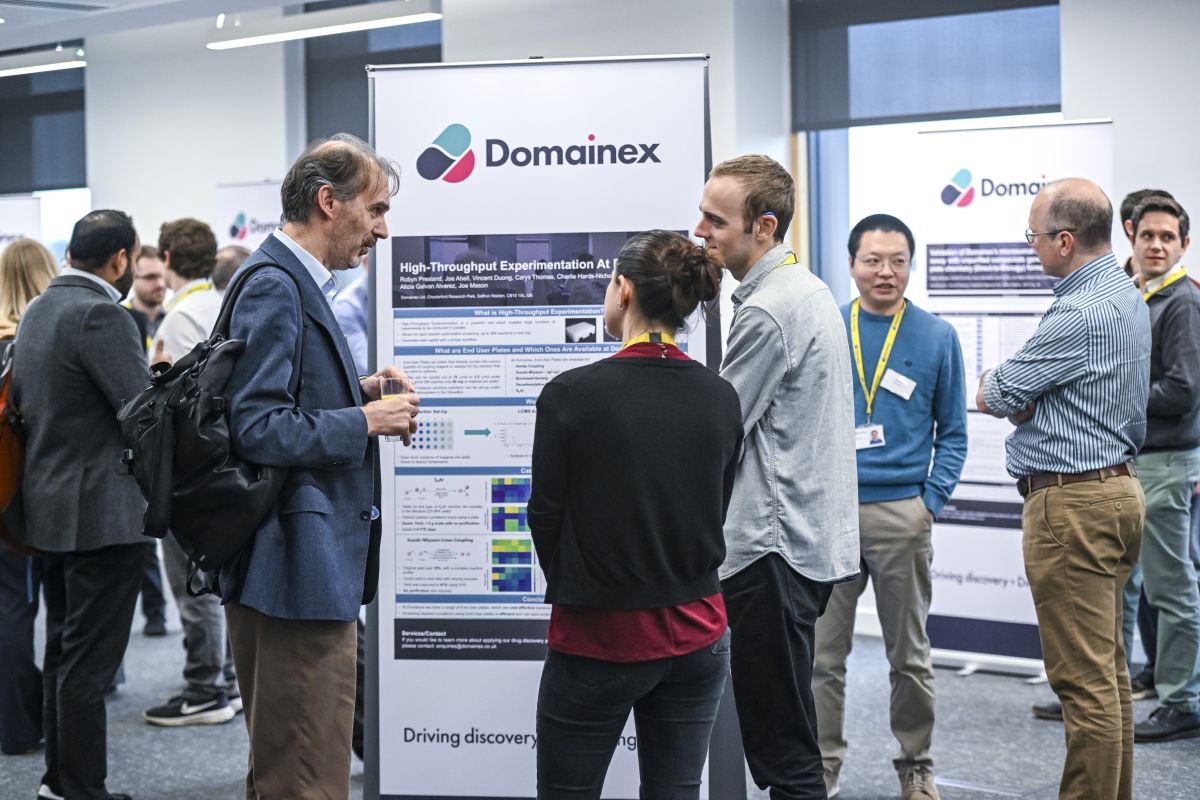
Science Uncorked, held at Unity Campus, Cambridge’s new life-science hub developed by the Howard Group, brought together experts from Domainex and the wider scientific community to explore the technologies reshaping early drug discovery. Through panel discussions, insights from experts and poster presentations, Domainex showcased how advances in automation, AI, chemistry, biophysics, and structural biology are being integrated to tackle challenging biological targets and accelerating Lead Discovery.
The event, alongside being a great opportunity to show off our research, allowed guests to catch up with our scientists over some nibbles and a glass of wine. We hope that all the guests enjoyed the discussions, the Domainex team certainly did. Summaries of the presentations and the panel discussions are below.
D2B Workflows
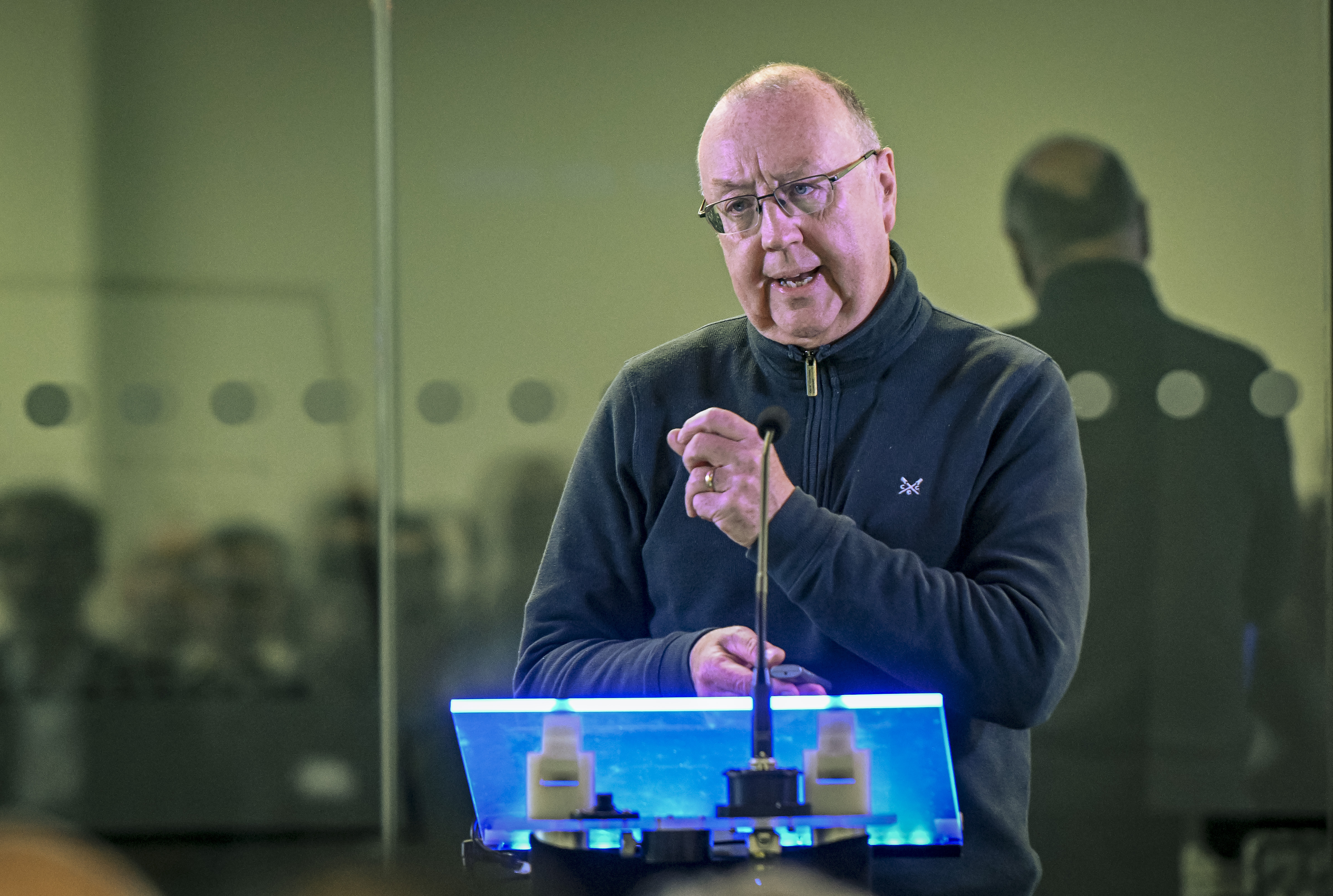
One of the key themes addressed was the continued development of direct-to-biology (D2B) workflows. While traditional medicinal chemistry often experiences bottleneck associated with the time and cost constraints of purifying large numbers of synthesised compounds, D2B bypasses this limitation through direct testing on biological assays. By ensuring that full purification and resynthesis are only done on promising compounds, D2B significantly reduces cycle times, costs, and the environmental footprint of the purification process for compounds.
Membrane Proteins
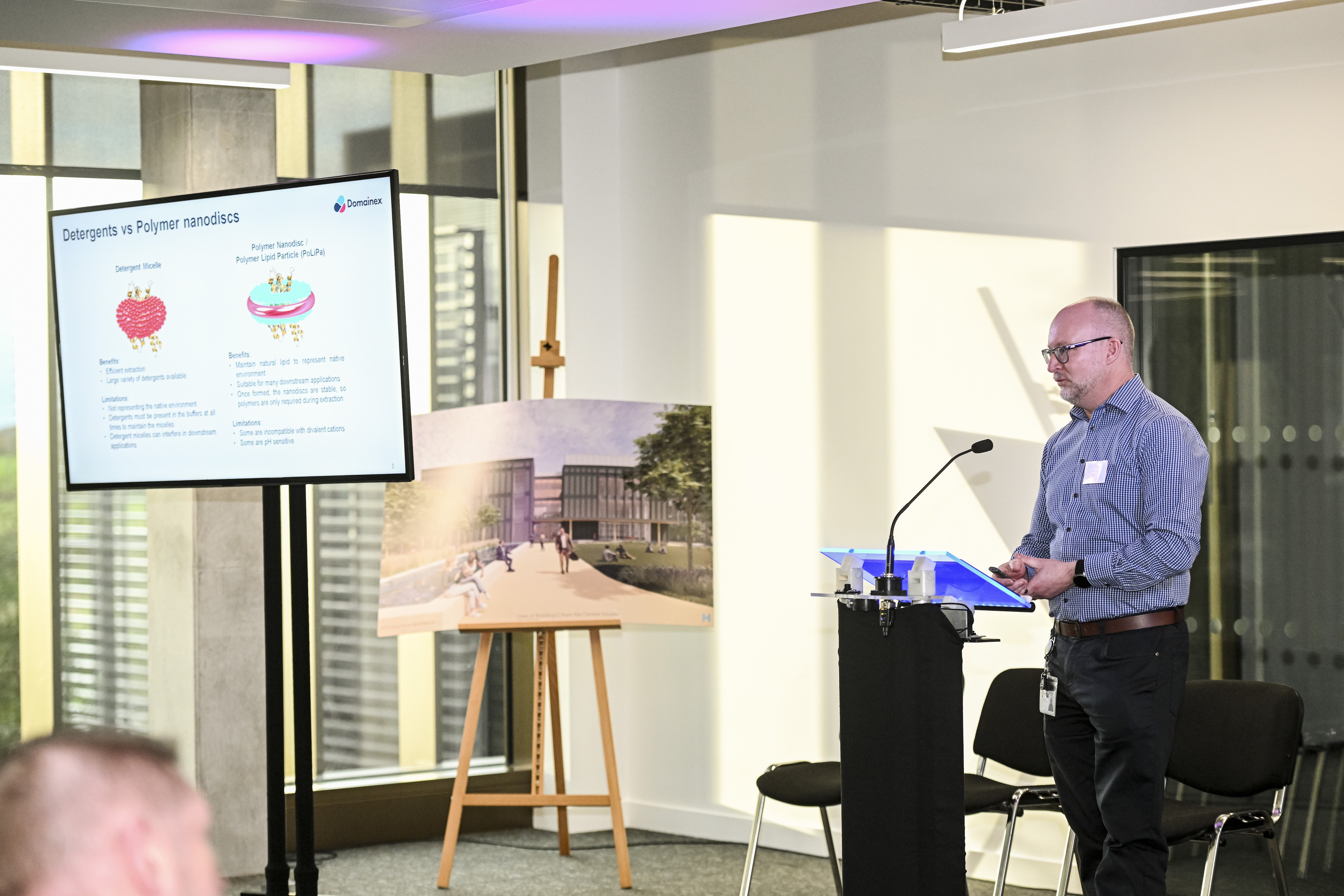
The panel also explored advances in working with integral membrane proteins, such as GPCRs. Despite representing around 30% of the human proteome and being the target of more than half of approved drugs, these proteins remain difficult to isolate due to their instability outside the lipid bilayer. Domainex described how careful construct engineering, optimised solubilisation strategies, and the use of nanodisc systems can yield stable membrane proteins suitable for direct binding assays, fragment screening, and antibody discovery. Supported by rigorous quality-control processes, these workflows enable structure-guided programmes against some of the most complex targets in drug discovery.
Covalent Screening and Mass Spectrometry
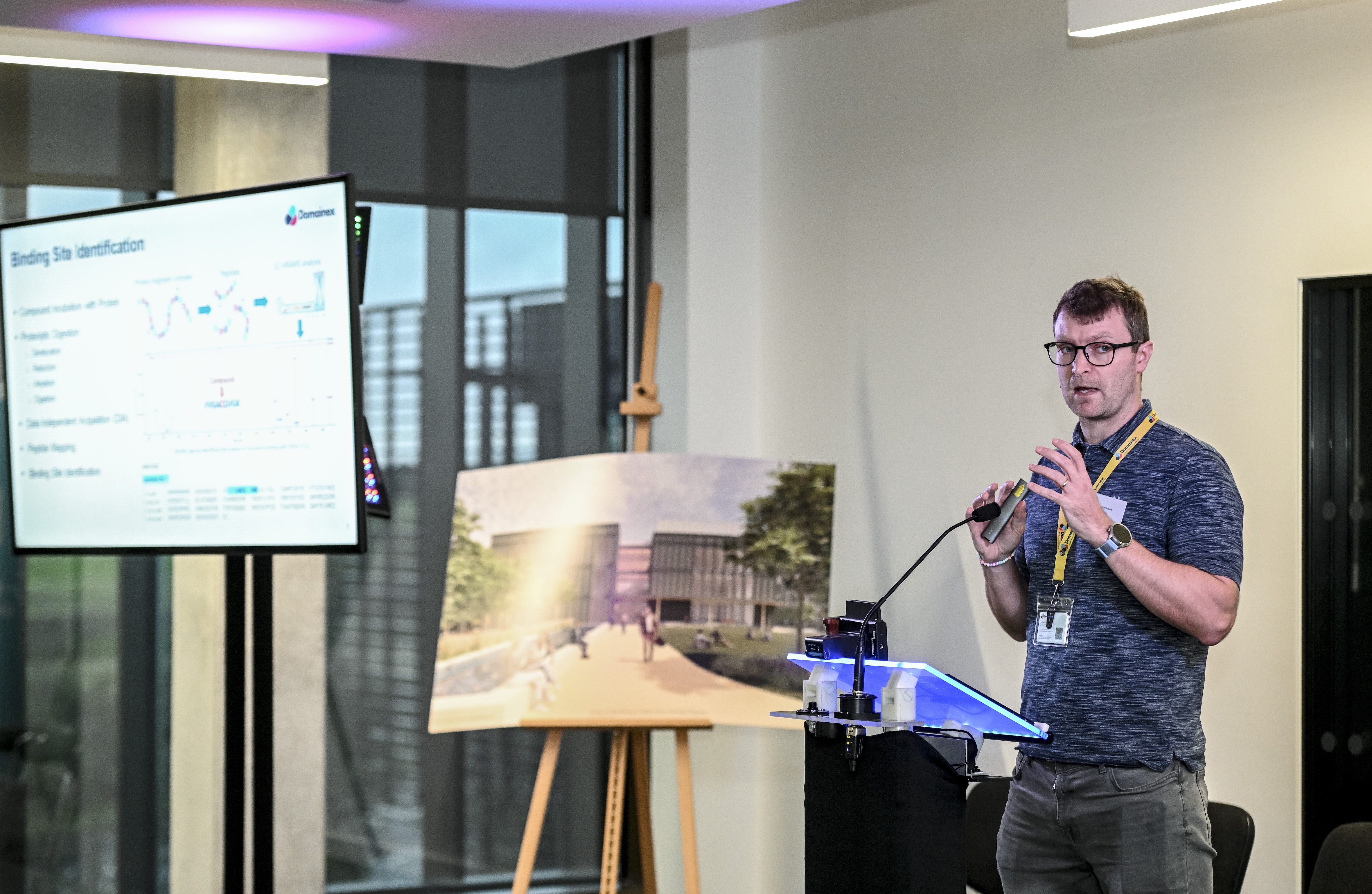
Covalent inhibitors continue to be an area of interest due to their high potency, long duration of action, and reduced dosing frequency leading to improved patient compliance. However, their irreversible nature makes off target effects a critical concern. Domainex presented its mass-spectrometry-driven covalent screening platform, built around a library of more than 700 covalent fragments. This platform can identify binders, map binding sites via peptide MS, and measure intrinsic reactivity and kinetic profiles. Together, these capabilities provide a robust framework for discovering selective covalent inhibitors while managing liabilities early in development.
AI-Enhanced Computational Chemistry
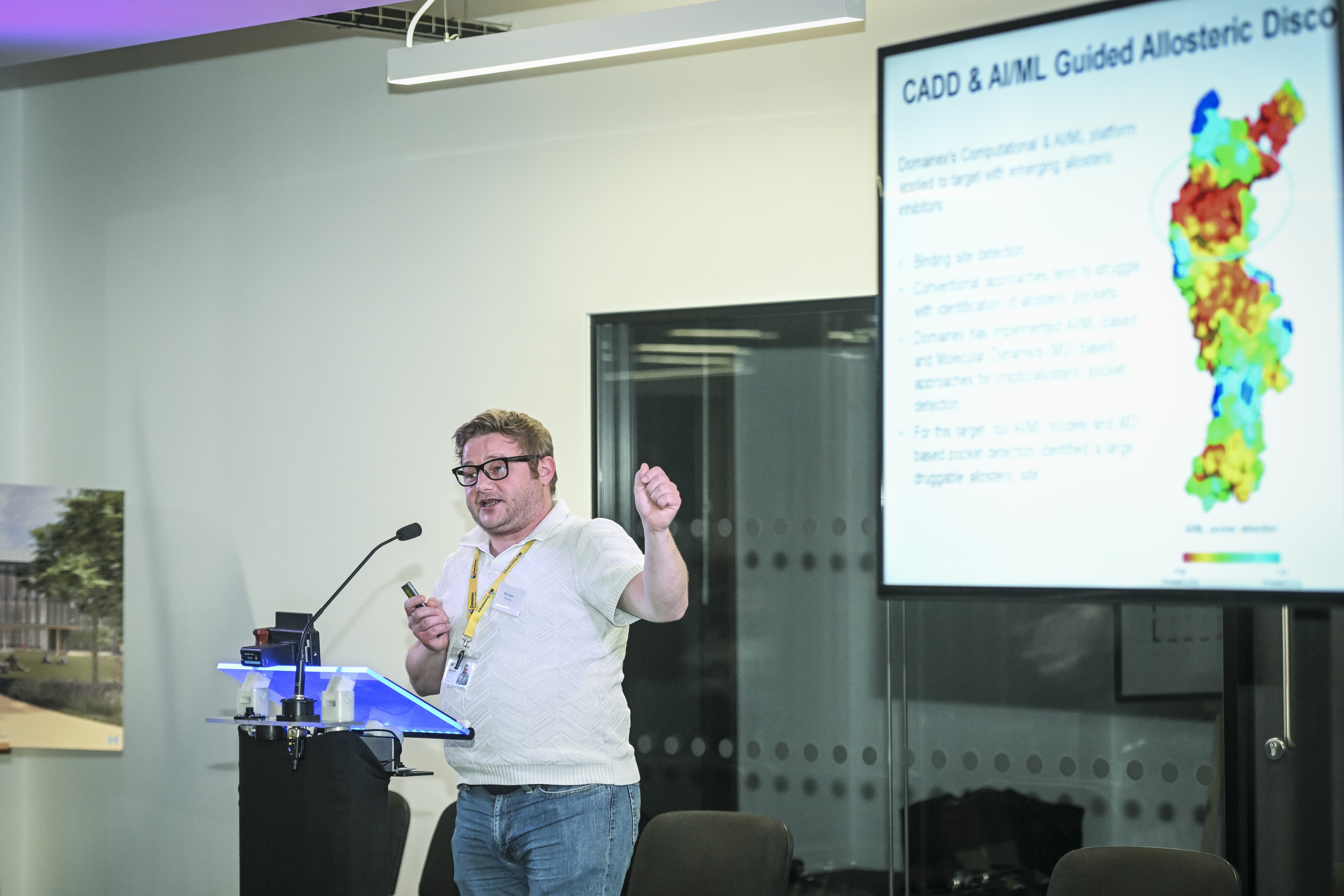
Computational chemistry and AI/ML tools are increasingly embedded across Domainex projects, supporting both target assessment and late-stage optimisation. Techniques such as optical character recognition, which convert drawn chemical structures into machine-readable SMILES (simplified molecular input line entry system), enable the rapid processing of literature data and historical chemistry. Combined with advanced pocket-detection algorithms and machine-learning methods, these approaches speed up pattern identification and enhance efficiency in finding the most promising areas in medicinal chemistry.
Molecular Glues and RNA-Targeted Small Molecules
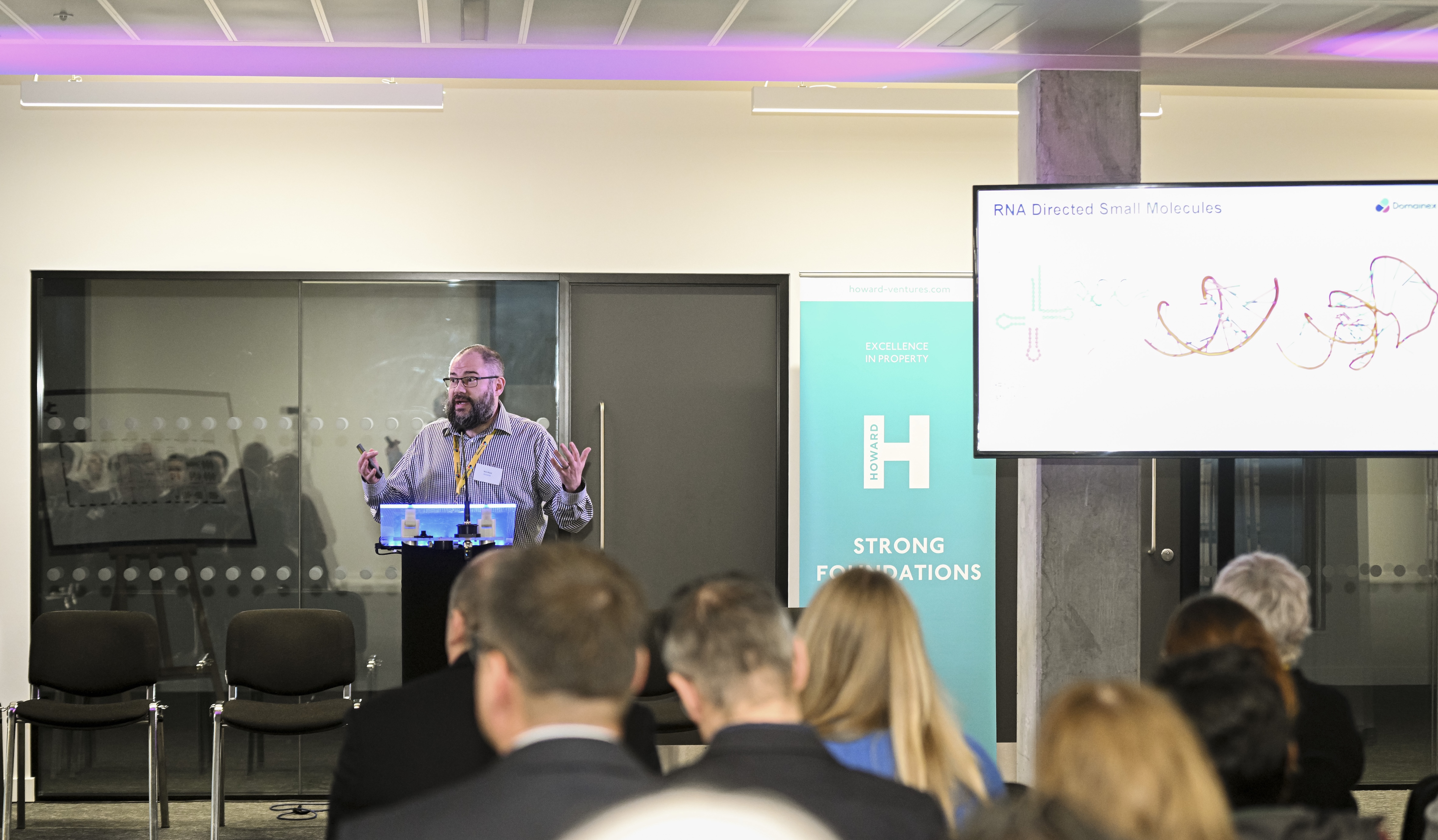
The event also highlighted two modalities reshaping modern drug discovery: molecular glues and RNA-targeting therapeutics. One of the key challenges with RNA targeting is the lack of readily measurable functional assays for RNA, making biophysical binding studies essential for identifying and optimising RNA binders. Similarly, molecular glues which are small molecules that induce specific protein-protein interactions, are proven promising as alternatives to traditional methods of targeted degradation. Domainex presented its comprehensive suite of biophysical approaches designed to support both glue programmes and RNA-focused discovery, from initial binder identification through to detailed characterisation.
Automation, Structural Insight and AI
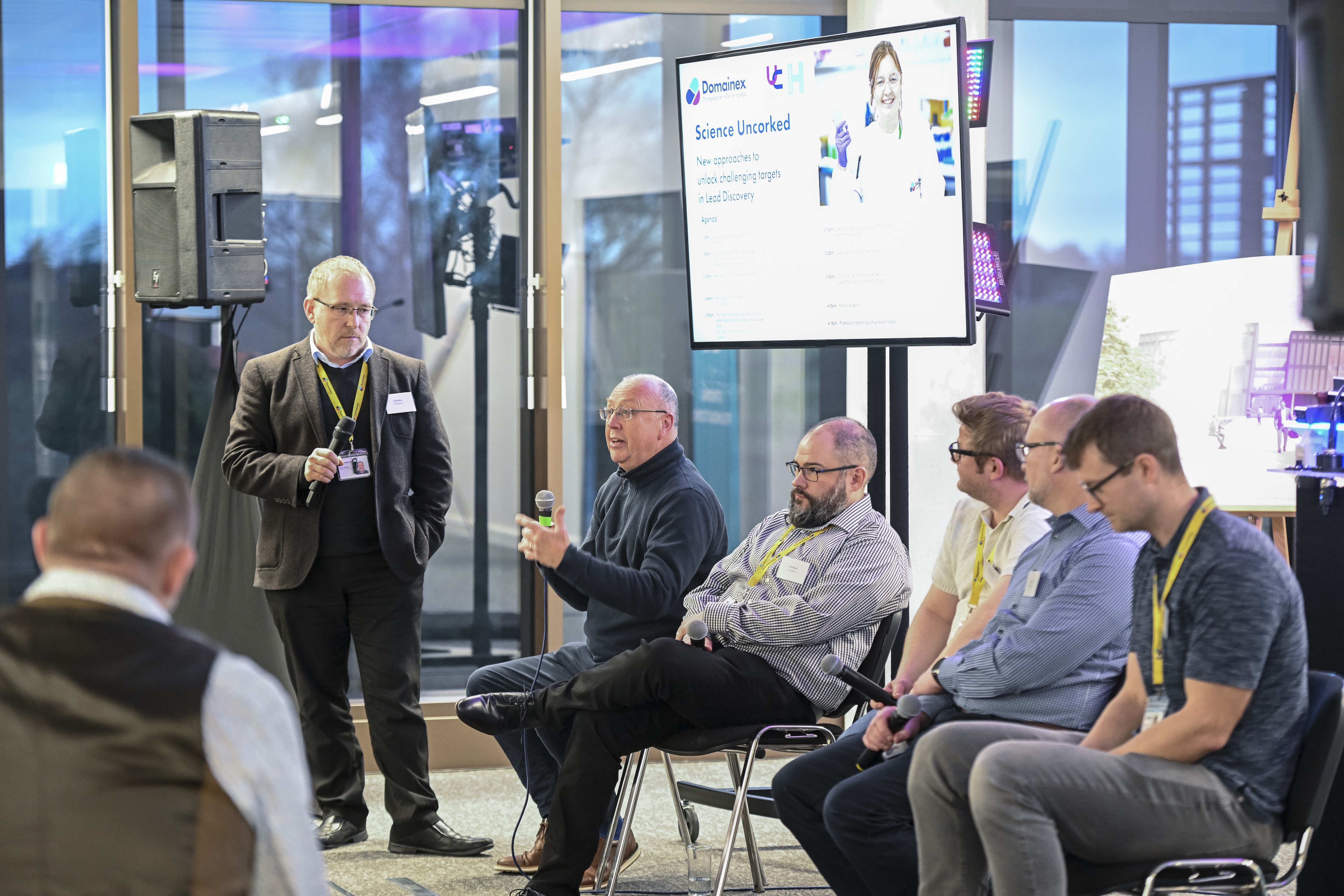
A recurring message throughout the afternoon was the accelerating role of automation. As target classes grow more complex, robotics and automated workflows are becoming indispensable in early discovery. Structural biology, illustrated through examples such as Cryo-EM analysis of nanodisc-embedded targets, is expanding what can be visualised at high resolution. AI now plays a critical role in interpreting these data, identifying patterns, and enabling docking into difficult binding pockets.
Science Uncorked 2025 reflected the breadth of innovation required to overcome the current challenges in drug discovery. It is clear that meaningful progress comes from integrating diverse technologies such as D2B synthesis, membrane-protein engineering, covalent screening, advanced computational methods, and automation. Domainex continues to push the boundaries of modern Lead Discovery and drug development.